Pandemic Preparedness Through Collaboration: Connecting Expertise, Research, and Response Across Europe
The recent Hantavirus situation in Europe and current Bundibugyo ebolavirus outbreak are a reminder that infectious disease threats cannot be addressed by individual institutions, countries, or healthcare systems alone.
At the same time, well-known pathogens such as seasonal influenza continue to pose a persistent pandemic risk due to their rapid evolution, global circulation, and ability to overwhelm healthcare systems.
Together these threats underline a shared reality: preparedness must address both emerging and endemic infectious diseases.

Preparedness depends on collaboration.
It requires trusted partnerships between hospitals, researchers, public health authorities, regulators, industry, and global organisations – working together before emergencies occur.
At Ecraid, preparedness is built through a globally connected ecosystem that links:
- Hospital and primary care networks
- European and international public health partners
- Infectious disease and AMR experts
- National health authorities
- Industry and innovation partners
- Policymakers
This collaborative network enables:
- Earlier identification of emerging infectious threats
- More efficient coordination across countries
- Rapid activation of research
- Harmonised evidence generation
- Scalable and adaptive outbreak response
- Continuous generation and use of high-quality data and real-world evidence to inform timely decision-making, guide clinical practice, and support regulatory and policy responses
Ecraid’s warm-base network and scientific expertise ensure collaborations remain continuously active between outbreaks. It enables the systematic collection, sharing, and analysis of real-world data across countries and care settings, strengthening the evidence base needed to respond effectively to evolving health threats.
The strength of this approach is built on experience from other collaborative initiatives, including: REMAP-CAP, RECOVERY, PIPELINE, ECRAID-Prime, BeReady, and ECRAID-Base’s POS-studies. Together, these initiatives demonstrated that the efficiency and quality of pandemic response depends on pre-existing collaboration, shared infrastructure, and connected expertise.
This month, Ecraid explores how collaboration across Europe - and beyond - strengthens pandemic preparedness, advances evidence generation, and helps build resilient response systems for future infectious disease threats. Preparedness is a shared responsibility.
Expert Spotlight: Lennie Derde, CEO Ecraid, Intensivist UMCU

Preparedness is most effective when collaboration frameworks already exist before a crisis begins.
In the first interview of our Expert Spotlight Series, Lennie discusses her experience with trials such as REMAP-CAP and emphasises the importance of partnerships in enabling a rapid response.
Photo: Lennie Derde
Why is collaboration the foundation of effective pandemic preparedness?
Outbreaks do not respect borders, and they can evolve quite quickly. To be prepared for outbreaks and pandemics, we need to collaborate internationally, starting in peacetime. The biggest hurdles for research in a pandemic are practical, like contracting and logistics. Only if we collaborate in peacetime can we identify and anticipate these hurdles, so we can react as quickly as possible in the event of a pandemic.
What lessons from trials like REMAP-CAP changed how Europe approached outbreak research?
With REMAP-CAP, we proved that having a large, international, adaptive platform trial up and running is a highly effective strategy for starting intervention studies early in a pandemic. Of course, we also need complementary strategies, such as pre-approved observational studies and long-running cohorts that can provide epidemiological information (e.g., the POS). REMAP-CAP is a large, global, and above all flexible study, and having it in place during the pandemic has yielded 20 platform conclusions in 6 years, demonstrating its utility in both pandemics and peacetime.
How do adaptive platform trials improve coordination during emergencies?
The trials do not necessarily improve coordination in themselves, but when a trial spans multiple research jurisdictions and involves so many experts, coordination comes naturally. The common goal is to improve outcomes for patients. The European Commission's efforts in recent years to improve coordination between trials and cohorts have also been of enormous benefit.
Why are partnerships essential for rapid response?
The pandemic preparedness partnership, BeReady, is not just a project; it’s a true partnership. The goal of the partnership is to align research and policy, which is extremely important in pandemics. As we’ve recently seen with the hantavirus outbreak, this partnership can immediately activate its network and experts and can connect public health institutions, funders, and researchers.
How does Ecraid’s warm-base network strengthen Europe’s preparedness capacity between outbreaks?
Having sites that know and understand Ecraid procedures, contracting, and data collection, prepares them for comparable work during pandemics. In addition, the ongoing collaboration through studies establishes a long-term relationship that is invaluable in the uncertain circumstances of a pandemic. Using information from Ecraid’s network management system, we can determine sites' capabilities, performance, and interests to ensure an effective response to outbreaks. Through the continued collection of harmonised data from the network, we have an in-depth understanding of disease epidemiology across Europe. Lastly, the relationship with key opinion leaders through the network ensures we stay on top of developments in diagnostics and therapeutics that could be used in future pandemics.
Expert Spotlight: Yazdan Yazdanpanah – Director of ANRS MIE and Ecraid Coordinating Committee member.
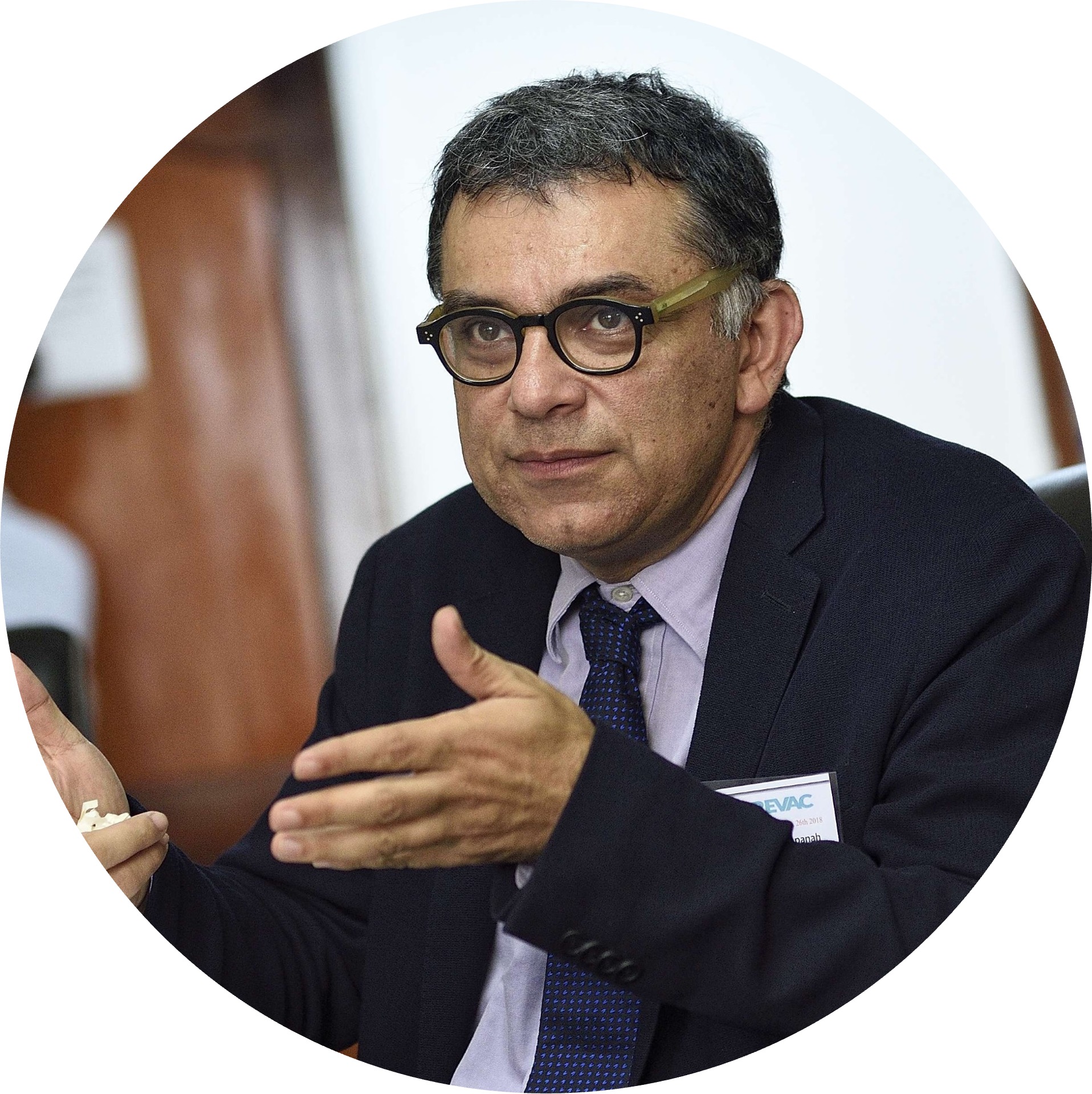 Preparedness must evolve from a reactive, emergency-driven model to one rooted in continuous, coordinated collaboration. The future of pandemic preparedness relies on maintaining “ever-warm” research and clinical networks that can rapidly pivot when new threats emerge.
In this interview of our Expert Spotlight Series, Yazdan shares his perspective on why sustained collaboration and connected stakeholders are critical.
Photo: Yazdan Yazdanpanah
Why does pandemic preparedness require continuous collaboration rather than emergency-only mobilisation?
Effective and timely response to emerging threats depends on being prepared well before a crisis begins. This means having key elements—such as CRFs, protocols and established collaboration with regulatory authorities – already in place. This continuous collaboration should be established in each country.
BE READY frequently refers to “ever-warm” preparedness systems. What does that mean in practice?
In practice, “ever-warm” preparedness means maintaining active, connected networks where stakeholders already know each other and work together regularly. BE READY fosters these ongoing relationships, allowing partners to respond rapidly to new threats without losing time establishing connections or coordination structures during a crisis.
How can Europe better connect hospitals, researchers, WHO, EMA, HERA, and public health agencies before the next crisis?\
Europe can strengthen preparedness by connecting hospitals, researchers, public health agencies, regulatory authorities such as EMA, and international partners including WHO through an integrated governance framework. BE READY was created with this vision, functioning as a “network of networks” that facilitates coordination, promotes information sharing, and reduces duplication. This approach strengthens the collective ability to address emerging infectious diseases at both European and global levels.
What lessons from COVID-19 shaped the creation of BE READY?
COVID-19 highlighted the fragmentation between countries and institutions, with many operating in silos and adopting different local strategies. It became clear that during a crisis, there is no time to think or align approaches. The key lesson was the importance of establishing strong connections and coordinated mechanisms in advance—ensuring both operational readiness and trusted relationships among stakeholders worldwide.
How do BE READY and Ecraid complement each other in strengthening European preparedness?
Ecraid serves as the clinical and primary care research backbone within BE READY, providing a well-established network of hospitals and general practitioners. While BE READY focuses on coordinating and linking stakeholders across the preparedness ecosystem, Ecraid ensures that scientific expertise and clinical research capacity remain continuously active and ready to respond, even between outbreaks.
Together, the perspectives of Lennie Derde and Yazdan Yazdanpanah point to a fundamental shift in how Europe approaches pandemic preparedness. Preparedness is no longer a reactive effort triggered by crisis, but a continuous, collaborative process built on trusted partnerships, shared infrastructure, and aligned research and policy.